
Understanding Buried Services Detection Methods
In the bustling city of London, where development and infrastructure projects are a constant, the importance of accurately detecting buried services cannot be overstated. With numerous utilities such as water pipes, gas lines, and telecommunications cables concealed beneath the surface, a comprehensive understanding of buried services detection methods is essential for any project involving excavation or construction. The techniques employed in this field not only safeguard workers and the public but also prevent costly delays and damages. When exploring options, Buried Services Detection London provides comprehensive insights into effective methods and technologies used to locate underground utilities.
Overview of Ground-Penetrating Radar Technology
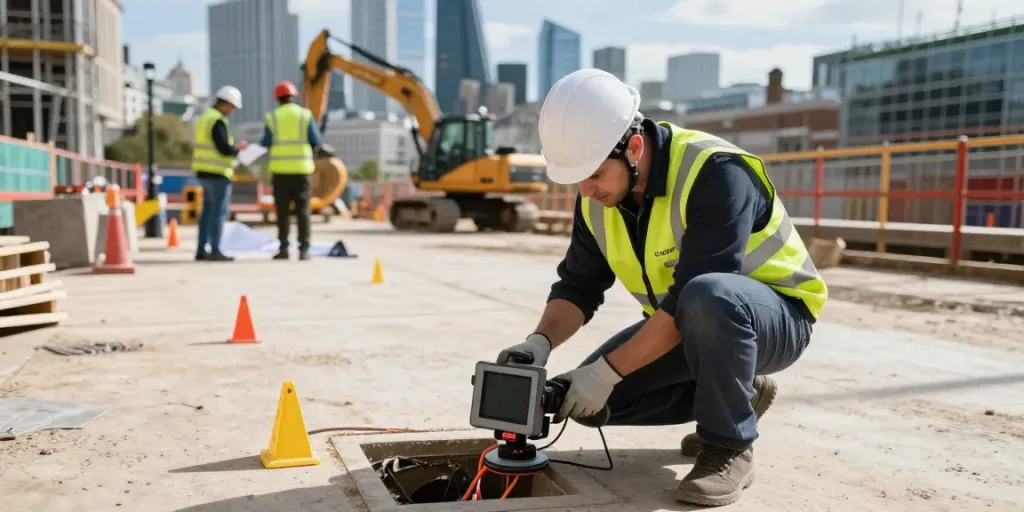
Ground-penetrating radar (GPR) is one of the most widely used technologies for detecting buried services. This non-invasive method uses radar pulses to image the subsurface, allowing surveyors to identify and map the location of various underground utilities. The technology operates by transmitting high-frequency radio waves into the ground, where they reflect off buried objects and return to the surface. The data collected is then analysed to create a visual representation of the subsurface, illustrating the location and depth of utilities.
GPR is particularly advantageous as it can provide real-time data, allowing for immediate interpretation of the results. It can detect a range of materials, including metal, plastic, and even voids or anomalies in the ground. However, the effectiveness of GPR can vary based on soil conditions, frequency used, and the type of utilities being surveyed. It is essential for operators to understand these variables to maximise the accuracy of their surveys.
Electromagnetic vs. Ground-Penetrating Radar Techniques
While GPR is a powerful tool for underground utility detection, electromagnetic (EM) techniques offer a complementary approach. EM methods involve the use of electromagnetic fields to locate conductive materials buried beneath the surface. These techniques are particularly effective for locating metallic utilities such as power lines and gas pipelines.
One key difference between GPR and EM is how they interact with the materials they are trying to detect. GPR is capable of identifying both conductive and non-conductive materials, whereas EM techniques primarily focus on conductive objects. For optimal results, many professionals advocate using a combination of GPR and EM methods, taking advantage of the strengths of both technologies to achieve comprehensive coverage of an area.
Choosing the Right Method for Your Project
Determining which detection technique to use depends on several factors, including the specific project requirements, soil conditions, and the types of utilities expected to be present. For shallow investigations in urban settings, GPR may be more suitable due to its ability to provide detailed imaging. Conversely, for projects focusing on locating deeper, metallic services, EM techniques may offer greater accuracy.
Furthermore, the choice of method can also be influenced by the budget and time constraints of the project. While advanced technologies like GPR can offer a wealth of data, they may also come with higher costs. It is imperative for project managers to weigh these factors against the risks of utility strikes and project delays, ensuring that the chosen method aligns with the overall goals of the project.
Benefits of Accurate Utility Detection
Minimising Risk of Utility Strikes
One of the most significant benefits of accurate utility detection is the minimisation of utility strikes. Accidental damage to underground services can lead to severe consequences, including safety hazards, significant project delays, and costly repairs. By utilising reliable detection methods, contractors can mitigate these risks effectively. Understanding the precise location of utilities before excavation allows teams to plan their work more carefully and reduce the likelihood of disruptions.
Cost-Effectiveness of Early Detection
Investing in comprehensive utility surveys prior to commencing construction can lead to substantial cost savings. Early detection of buried services helps avoid unexpected expenses associated with damage repairs and project delays. Moreover, it allows for better allocation of resources and time management throughout the project lifecycle, ultimately contributing to a more efficient and successful outcome. In the long run, preventative measures in utility detection prove to be more economical than reactive approaches.
Improving Project Planning and Execution
Accurate utility detection directly enhances project planning and execution. By having a clear understanding of the underground landscape, project managers can make informed decisions about construction methods, equipment selection, and scheduling. This clarity helps streamline operations and improves collaboration among different teams involved in the project. A well-prepared plan reduces the chances of encountering unforeseen issues, fostering an environment for smoother project execution.
Best Practices for Service Detection
Preparing a Comprehensive Utility Plan
Effective utility detection begins with the preparation of a comprehensive utility plan. This involves gathering existing utility maps, historical data, and conducting thorough site assessments before any excavation begins. Such preparation not only enhances the accuracy of the detection methods employed but also provides valuable context that can inform decision-making throughout the project.
Utilising Advanced Technology in Surveys
Incorporating the latest technologies in utility detection surveys can significantly improve accuracy and efficiency. Combining GPR with software that can analyse data in real-time offers professionals instant insights into the subsurface. Furthermore, advancements in drones for aerial surveys and mobile mapping techniques are making it easier to cover larger areas quickly and effectively, yielding more thorough results.
Training Personnel for Accurate Detection Techniques
Regardless of the technology used, the success of utility detection ultimately hinges on the expertise of the personnel operating the equipment. Training programmes that focus on the nuances of detecting buried services, interpreting data accurately, and employing best practices can make a considerable difference. Ensuring that team members are well-versed in the latest techniques and technologies increases the likelihood of successful project outcomes.
Case Studies: Successful Buried Services Detection in London
Notable Projects Using GPR and EM Techniques
Several infrastructure projects in London have successfully utilised a combination of GPR and EM techniques to detect buried services. One noteworthy example is the Crossrail project, which relied heavily on advanced utility detection methods to navigate the complex network of underground utilities in the city. The project’s approach to integrating various detection strategies highlights the importance of flexibility and adaptability in achieving successful outcomes.
Lessons Learned from Utility Strike Incidents
Learning from past incidents where utility strikes occurred can provide invaluable insights for future projects. Analysing case studies where failures in utility detection led to significant setbacks can help identify weaknesses in approaches and reinforce the need for comprehensive planning and accurate detection methods. These lessons serve as reminders of how critical effective utility detection is to ensuring safety and project success.
Innovations in Utility Mapping and Management
The utility detection industry is continually evolving, with innovations in mapping and management reshaping how buried services are located and managed. Technologies such as artificial intelligence and machine learning are being integrated into utility mapping, enhancing the interpretation of GPR data and improving overall accuracy. The future of utility detection lies in harnessing these advancements to create more efficient and reliable systems for managing underground utilities.
Future Trends in Buried Services Detection
Emerging Technologies in Underground Mapping
As technology continues to advance, emerging methods in underground mapping are set to change the landscape of utility detection. Innovations such as enhanced GPR systems offering multi-frequency capabilities and the integration of data analytics platforms are streamlining the process of utility detection. Moreover, the rise of augmented reality (AR) applications for visualising underground utilities in real-time is on the horizon, promising to enhance the field's capabilities.
Anticipated Changes in Regulations and Standards by 2026
With increasing awareness around the importance of safety and efficiency in utility detection, regulations and standards are also evolving. By 2026, it is anticipated that new guidelines will emerge, setting stricter compliance norms for utility detection practices. These changes may include mandatory training requirements for personnel and updated protocols for conducting surveys, ensuring a higher standard of safety and accuracy in the industry.
Industry Predictions for Utility Detection Innovations
Looking ahead, the utility detection industry is poised for significant innovations. Experts predict an upsurge in the adoption of automated systems for obstacle detection, capable of identifying and mapping buried services independently. Furthermore, increasing collaboration between sector players, technology developers, and regulatory bodies will likely encourage the development of more comprehensive solutions that address both safety and operational efficiency in utility detection.
How to identify underground utilities?
Identifying underground utilities requires a combination of research and technology. Start by reviewing existing utility maps and conducting surveys with GPR and EM methods to detect the presence of services. Coordination with utility companies is also vital, as they often have detailed information about their infrastructure.
How deep should utilities be buried in the UK?
In the UK, the depth at which utilities should be buried can vary depending on the type of service. As a general guideline, water and sewer pipes should typically be installed at least 750 mm deep, while gas pipelines should be a minimum of 450 mm deep to avoid damage from surface activities.
What equipment is best for utility detection?
The best equipment for utility detection includes GPR systems and electromagnetic locators. GPR provides detailed imaging of the subsurface, while EM locators are ideal for finding metal utilities. Combining both technologies often yields the best results for comprehensive utility detection.
What are the risks of not detecting buried services?
The risks associated with not detecting buried services include potential utility strikes, which can lead to accidents, injuries, and costly repairs. Additionally, unplanned disruptions can result in project delays and legal consequences for contractors. Proper utility detection mitigates these risks and helps ensure a smoother project execution.
How can technology improve service detection accuracy?
Technology enhances service detection accuracy by employing advanced tools that provide detailed data about the subsurface environment. Innovations like improved software for data analysis, real-time reporting, and the integration of AI in interpreting GPR results allow for more precise mappings of buried utilities, significantly increasing the reliability of detection efforts.